

Danish Prime Minister Mette Frederiksen led her party to its worst election in more than 120 years on Tuesday, a vote that forces one of Europe’s most prominent leaders into difficult negotiations to secure a third term.
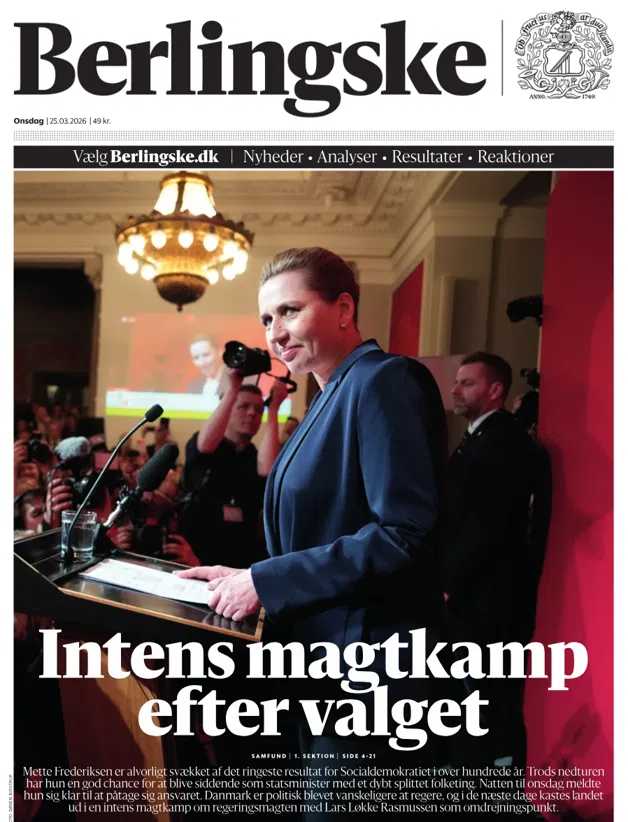
The Social Democrats received roughly 22% of the vote, down from 27.5% in 2022, their worst result since 1903. The party is still Denmark’s largest, and Frederiksen may retain power, but she falls short of being able to form a center-left coalition.… Frederiksen, who became Denmark’s youngest-ever prime minister in 2019 at age 41, campaigned on her ability to stand up to Trump and provide stable leadership in a turbulent world. She also ran on proposals to introduce a wealth tax, improve welfare for retirees and deport more migrants convicted of violent crimes.Frederiksen may secure a majority coalition and hold on to power through tough negotiations ahead. With this election, the 179 seats in the Danish parliament will be distributed among 12 political parties.
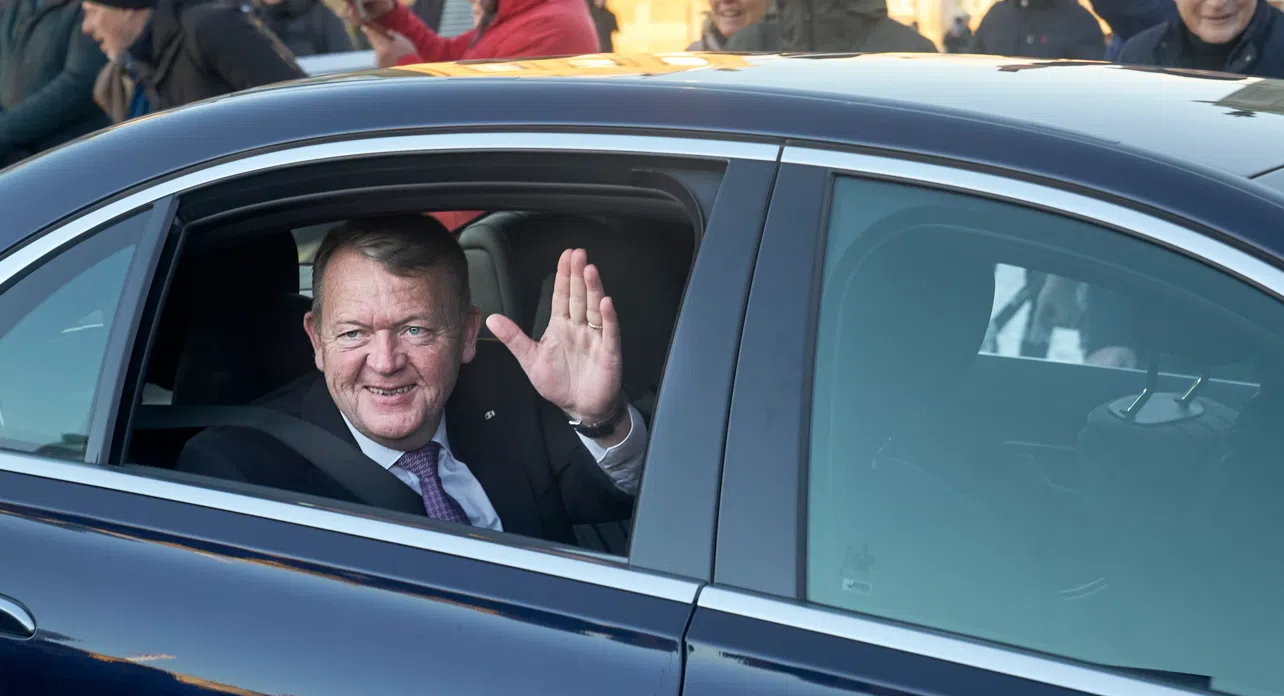
In that process, a likely kingmaker will be former Prime Minister Lars Løkke Rasmussen, whose centrist party, the Moderates, now holds decisive seats that prevent either the center-left or the center-right from forming an outright majority coalition. Rasmussen was foreign minister in the departing government, a coalition of three parties across the political center.
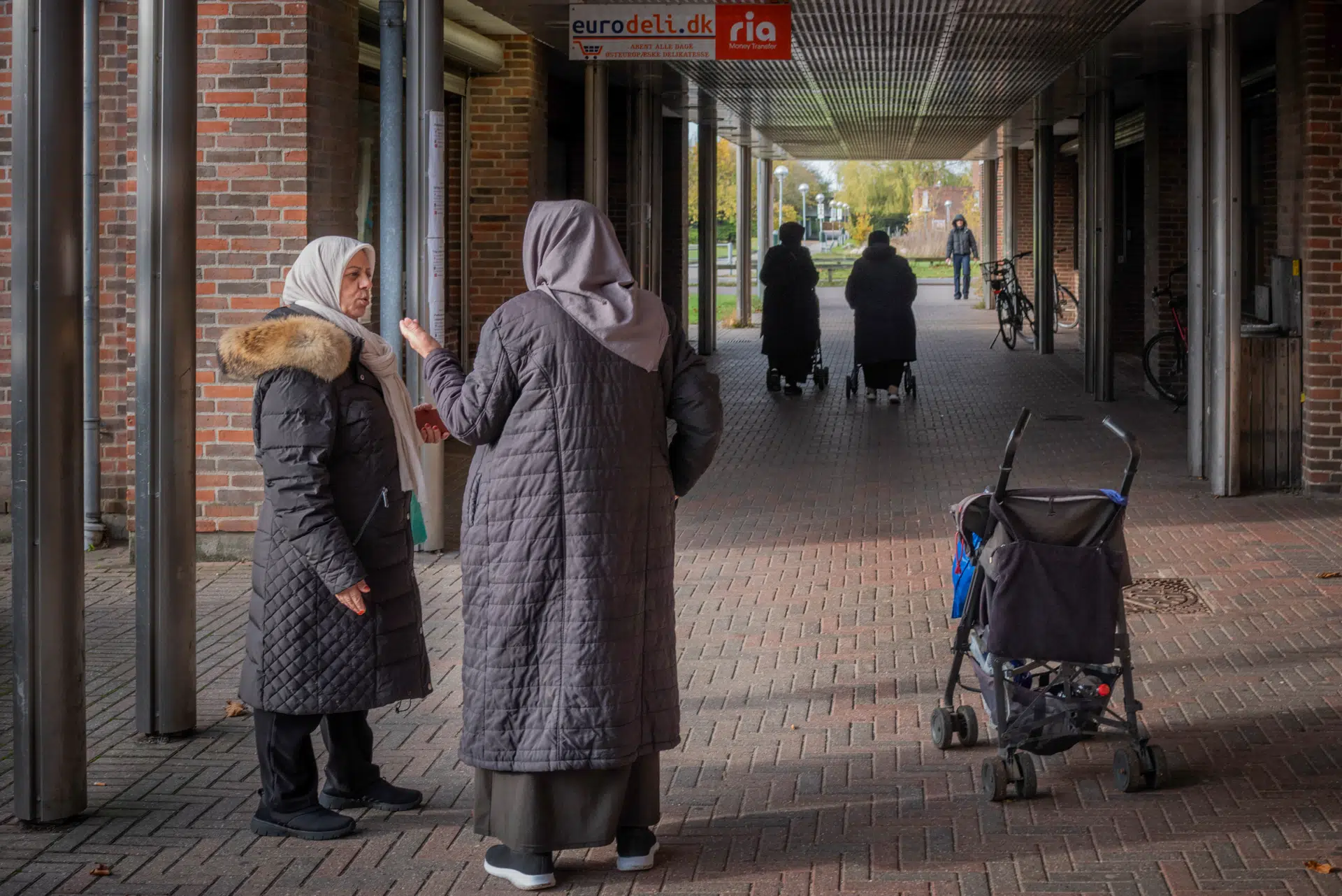
 What explains the losses of the Social Democrats contrasted with the meteoric rise of Denmark's far right, writes , is the amount of immigrants to the suburbs of Copenhagen. "My children shall not grow up in a Muslim Denmark !" was the cry from the voters.
DF stormer frem på Vestegnen: »Mine børn skal ikke vokse op i et muslimsk Danmark«
På Vestegnen er Dansk Folkeparti stormet frem ved valget, mens Socialdemokratiet samtidig er gået markant tilbage. Ifølge Poul Gaardbo (DF) fra Brøndby er de mange indvandrere på Vestegnen en stor del af forklaringen.
 .
. 

No comments:
Post a Comment